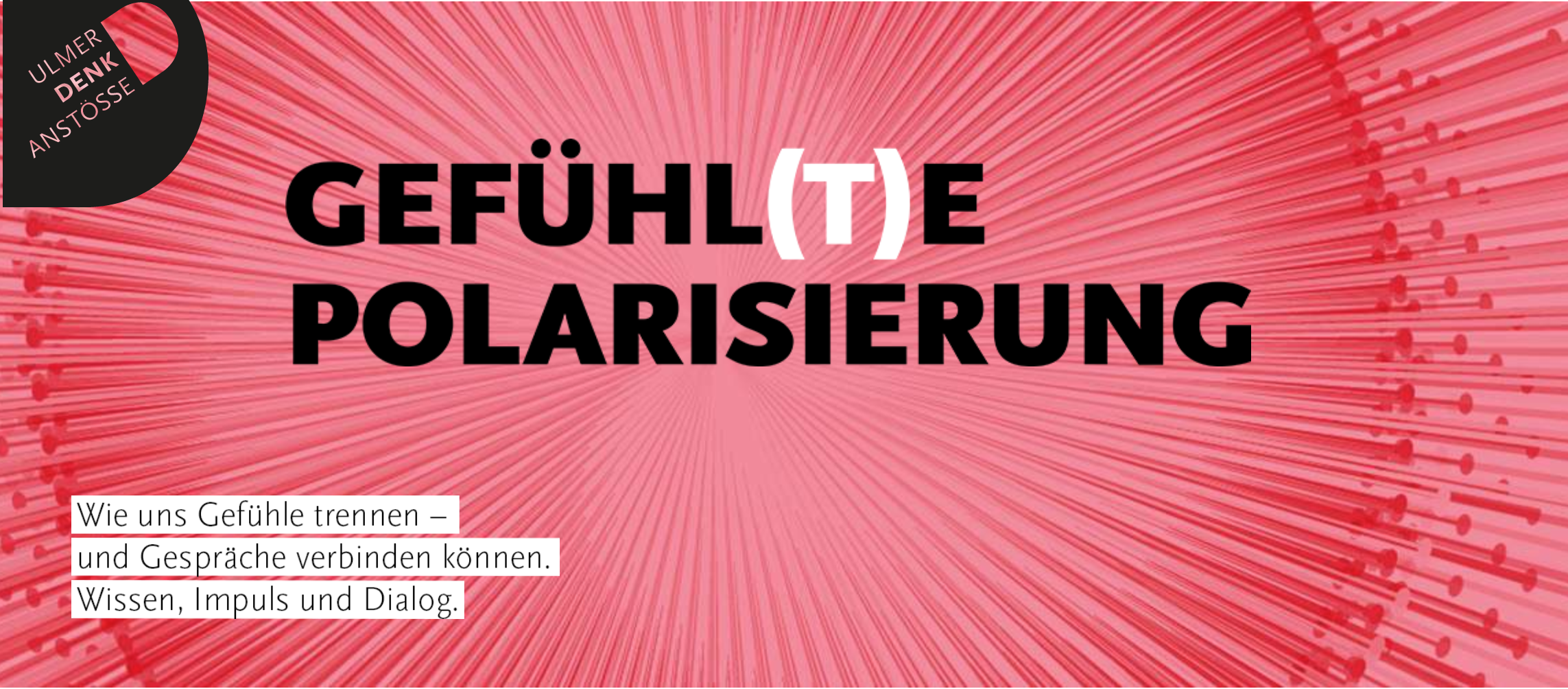
The diagnosis often seems straightforward: society is divided. But what does that actually mean – and to what extent does it apply to Germany?These questions were at the heart of the Ulmer Denkanstöße 2026, which brought together current perspectives on social cohesion and its challenges.
In her keynote, Nadja-Raphaela Baer approached the topic from the perspective of affective polarization. The talk began by situating the concept(s) of polarization and outlining its current manifestation in Germany – with a particular focus on the implications of affective polarization for dialogue, cooperation, and trust in others and in institutions. This was followed by an overview of key research questions, methodological approaches, and initial findings from several projects within the Einstein Research Unit “Coping with Affective Polarization.”
In the subsequent panel – moderated by Eva Wolfangel (Die ZEIT) and featuring Leonie Pessara (Demoslam, Werkstatt für Verständigung) and Manuel Stark (NZZ) – the discussion was taken up and explored from different perspectives including science, journalism and civil society. The numerous questions and contributions from the audience were particularly enriching. Central themes included how trust can emerge or erode under conditions of polarization and emotionally charged debates, the role of emotions in political conflicts, and how societal disagreements can be navigated in ways that foster constructive dialogue rather than deepening divisions. The discussion also addressed the role of language in journalistic and academic communication, particularly in shaping and potentially intensifying dynamics of affective polarization, and the responsibilities that come with it.
The discussions throughout the event underlined: social cohesion is not a fixed state, but an ongoing process – one in which divergent views can coexist, and where dialogue, constructive exchange, and encounters across lines of disagreement remain possible.
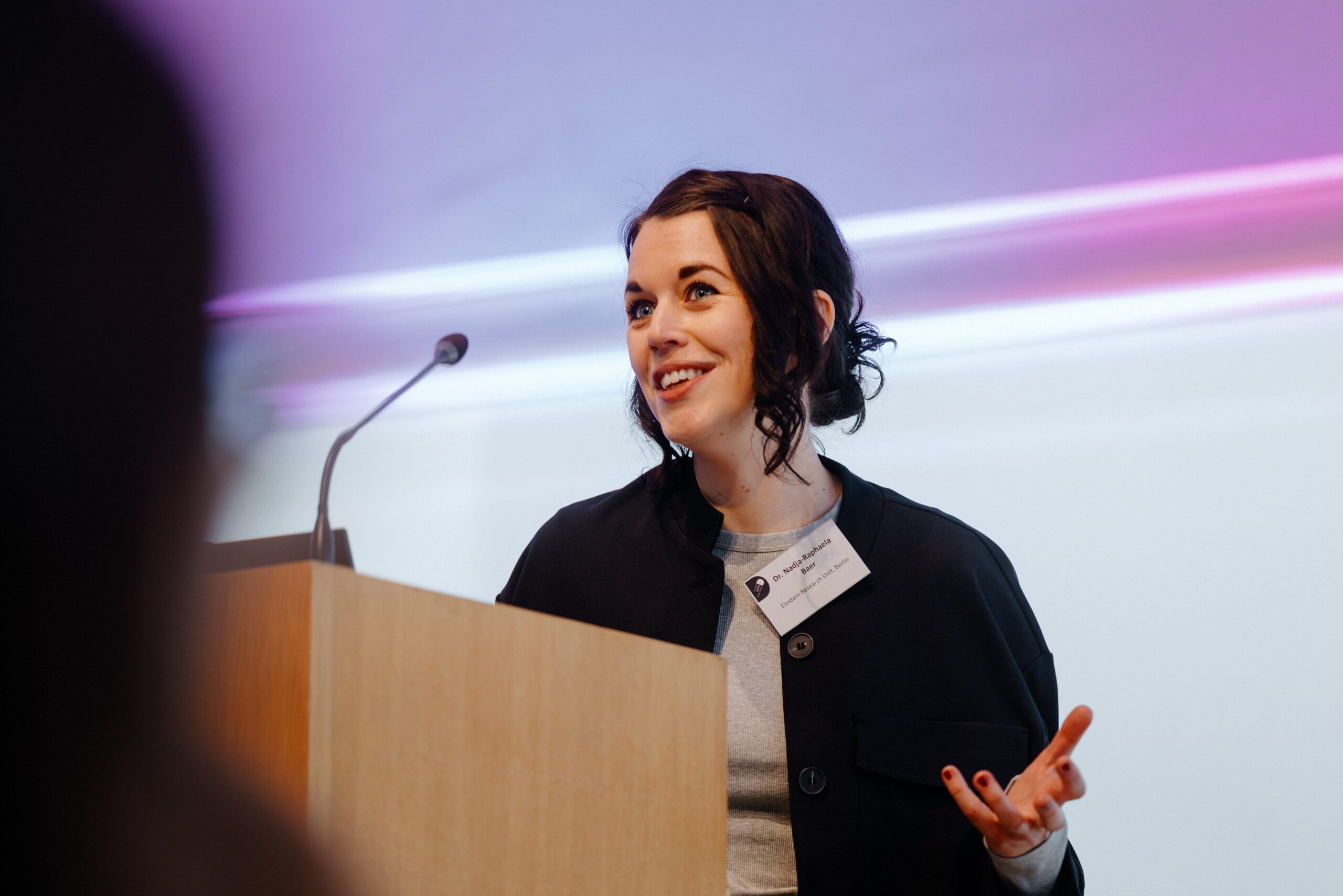
Photos by Samuel Tschaffon